Top Tools to Monitor Your Diesel Fuel Tank Levels Effectively
Understanding Diesel Fuel Tank Monitoring
Importance of Monitoring Diesel Fuel Levels
Monitoring diesel fuel tank levels is essential for effective operations in various sectors, including agriculture, transportation, and construction. Diesel fuels power a vast array of machinery, from farm tractors to generators, making it crucial to maintain proper fuel levels. An accurate diesel fuel tank gauge diesel fuels gauge ensures that equipment runs smoothly without unexpected interruptions. Running out of fuel can lead to costly downtime, emergency refueling, and potential engine damage. Furthermore, consistent monitoring allows for better fuel management, helping businesses stay compliant with EPA regulations while minimizing waste and optimizing performance. Whether you manage a large fleet of vehicles or a single generator, understanding your fuel levels can enhance efficiency and reduce operational costs.
How Diesel Fuel Tank Gauges Work
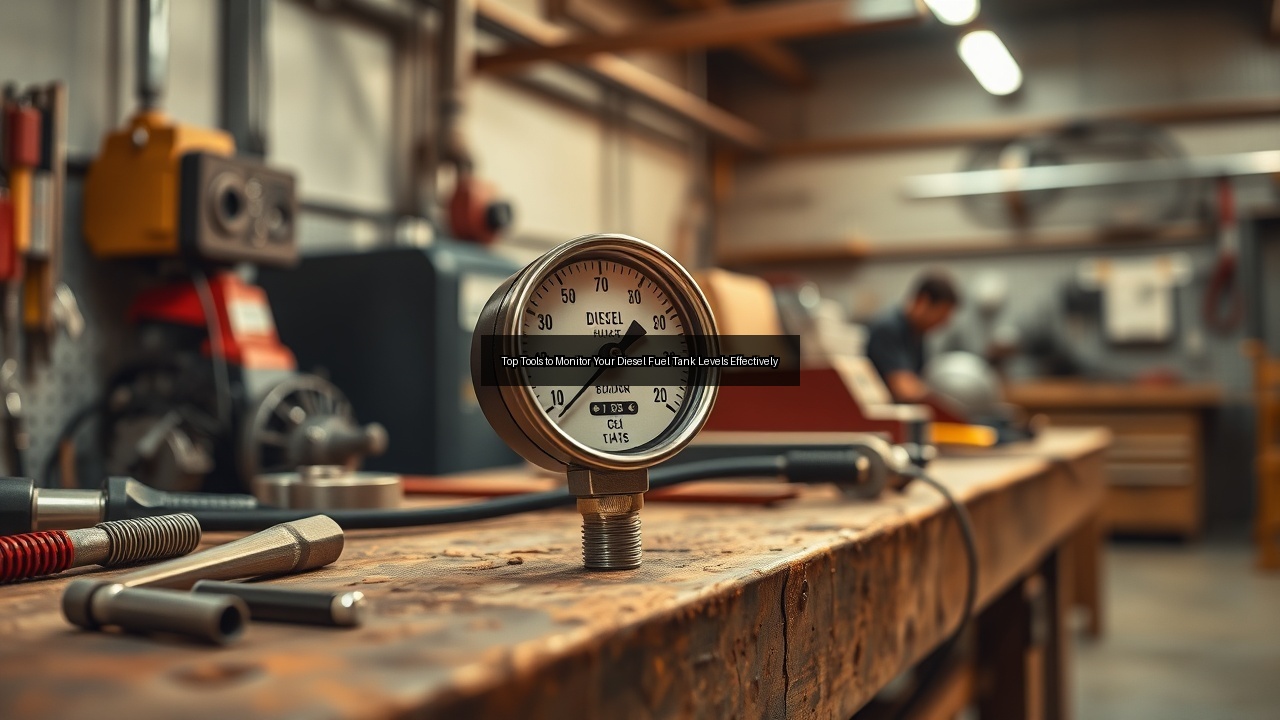
Diesel fuel tank gauges operate by measuring the amount of fuel within a tank and displaying this information in an easily readable format. Most diesel fuel tank gauges utilize either mechanical float systems or electronic sensors. Mechanical gauges employ a float that rises and falls with the fuel level, directly indicating the level on a dial. In contrast, electronic gauges use sensors to detect the fuel level and transmit data to a digital display, offering real-time insights. Some advanced systems even connect to mobile devices or computers, allowing users to monitor their tanks remotely. Understanding how these systems operate is key to selecting the right diesel fuel tank gauge for your needs, ensuring you have reliable data at your fingertips.
Types of Diesel Fuel Tank Gauges
Several types of diesel fuel tank gauges cater to different needs and preferences. Mechanical gauges feature a straightforward design and are often more affordable, making them suitable for small operations or backup systems. Electronic gauges, while typically more expensive, provide enhanced accuracy and additional features, such as alarms for low fuel levels. Wireless monitoring systems take this a step further by transmitting fuel level data to a cloud-based service, enabling remote access and alerts via smartphones or computers. Data loggers for fuel management can also be integrated into monitoring systems, allowing for detailed analysis of fuel consumption, which aids in optimizing your operations. Selecting the right type of diesel fuel tank gauge involves assessing your specific requirements, such as the size of your tank, the complexity of your operation, and your budget.
Top Tools for Monitoring Diesel Fuel Tank Levels
Electronic Diesel Fuel Gauges
Electronic diesel fuel gauges represent a significant advancement in fuel monitoring technology. These devices utilize sensors to provide real-time data about fuel levels, ensuring that users have accurate information at all times. Many electronic diesel fuel gauges feature digital displays that show precise measurements, allowing operators to monitor fuel levels more effectively than with traditional mechanical gauges. These systems can integrate with other monitoring tools to track fuel usage and efficiency, providing valuable insights that can help optimize operations. Some advanced models even support wireless connectivity, enabling users to receive alerts on their smartphones or computers when fuel levels drop below a predetermined threshold. This capability is particularly beneficial for those managing multiple tanks or large fleets, ensuring that they can respond quickly to fuel needs.
Mechanical Diesel Fuel Gauges
Mechanical diesel fuel gauges offer a reliable and cost-effective solution for monitoring fuel levels. These gauges typically consist of a float mechanism that rises and falls with the fuel level, connected to a dial that displays the current fuel amount. While they lack the advanced features of electronic gauges, mechanical diesel fuel tank gauges are straightforward and easy to install, making them a popular choice for smaller operations or backup systems. Their simplicity ensures minimal maintenance, making them a practical option for farmers and small equipment operators. However, users should periodically check these gauges for accuracy and recalibrate them if necessary to ensure reliable performance. In many cases, mechanical gauges can serve as a backup to electronic systems, providing an additional layer of security for fuel level monitoring.
Wireless Monitoring Systems
Wireless monitoring systems have revolutionized the way businesses track diesel fuel levels. These systems utilize sensors installed in fuel tanks that communicate data wirelessly to a central system, often connected to the cloud. Users can access real-time information from anywhere, providing unparalleled convenience and flexibility. Wireless systems can send alerts when fuel levels fall below a specific threshold, helping operators avoid unexpected outages. Additionally, many wireless monitoring systems offer advanced analytics, enabling users to track fuel usage patterns and identify potential inefficiencies. This data not only assists in managing fuel levels more effectively but also contributes to compliance with EPA regulations by providing documentation of fuel usage. For larger operations or those with multiple tanks, investing in a wireless monitoring system can lead to significant time savings and improved operational efficiency.
Data Loggers for Fuel Management
Data loggers for fuel management serve as essential tools for businesses that require detailed analysis of their fuel consumption. These devices record data related to diesel fuel usage over time, providing insights that can help diesel fuels gauge optimize operations. By analyzing this data, operators can identify trends, such as peak usage times or inefficiencies, allowing them to make informed decisions regarding fuel purchases and usage. Many data loggers integrate seamlessly with electronic or wireless monitoring systems, enhancing their functionality. They can track not only diesel fuel levels but also other critical metrics, such as temperature and pressure, which can affect fuel performance. Implementing a data logger as part of your fuel management strategy can lead to better compliance with regulations and improved overall efficiency.
Best Practices for Diesel Fuel Tank Maintenance
Regular Calibration of Fuel Gauges
Regular calibration of fuel gauges is essential to ensure accurate readings and reliable performance. Over time, factors such as temperature fluctuations and sediment accumulation can affect gauge accuracy. Users should periodically check and calibrate both mechanical and electronic diesel fuel tank gauges to maintain their reliability. Calibration procedures may vary depending on the type of gauge; for mechanical gauges, visual inspections and adjustments can suffice, while electronic gauges may require software calibration. Accurate fuel level readings are crucial for effective fuel management, so establishing a routine calibration schedule can prevent operational disruptions and maintain compliance with EPA regulations. Properly calibrated gauges provide peace of mind, allowing operators to focus on their core activities without worrying about unexpected fuel shortages.
Compliance with EPA Regulations
Compliance with EPA regulations is a critical aspect of managing diesel fuel tanks. The Environmental Protection Agency enforces strict guidelines regarding the storage and management of diesel fuel to minimize environmental risks and ensure safety. Operators must familiarize themselves with these regulations, which cover aspects such as spill prevention, tank integrity, and proper record-keeping. Regular inspections and maintenance of tanks and monitoring equipment play a vital role in compliance. Additionally, using electronic monitoring systems can aid in documenting fuel usage, helping businesses maintain accurate records for regulatory purposes. Staying informed about changes in regulations and implementing best practices for compliance not only protects the environment but also enhances a company's reputation and operational efficiency.
Maintaining Diesel Exhaust Fluid Levels
Maintaining diesel exhaust fluid (DEF) levels is equally important for diesel engine performance and compliance with emissions standards. DEF is essential for reducing nitrogen oxide emissions in diesel engines equipped with selective catalytic reduction (SCR) systems. Operators must regularly check and refill DEF tanks to ensure that their engines operate efficiently and meet regulatory requirements. Many modern diesel fuel tank gauges include features for monitoring DEF levels, allowing users to keep track of both diesel fuel and DEF simultaneously. Proper management of DEF not only optimizes engine performance but also contributes to compliance with EPA regulations. Establishing a routine for checking and maintaining DEF levels can prevent costly engine issues and ensure that equipment runs smoothly.
Choosing the Right Tools for Your Farm or Generator
Selecting the right tools for monitoring diesel fuel tank levels depends on various factors, including the size of your operation, budget, and specific needs. For smaller farms or individual generators, mechanical gauges may provide sufficient monitoring capabilities at a lower cost. Larger operations or businesses with multiple fuel tanks may benefit from investing in electronic or wireless monitoring systems that provide real-time data and analytics. Evaluating the features of different diesel fuel tank gauges, such as compatibility with existing systems or integration with data loggers, is essential for making an informed choice. Consider reaching out to industry experts or consulting product reviews to find the best fit for your operational needs. The right tools not only enhance fuel management but also contribute to overall efficiency and compliance.