The Role of Hub Flanges in Optimizing Ball Bearing Performance
Understanding Hub Flanges and Their Importance
What Are Hub Flanges?
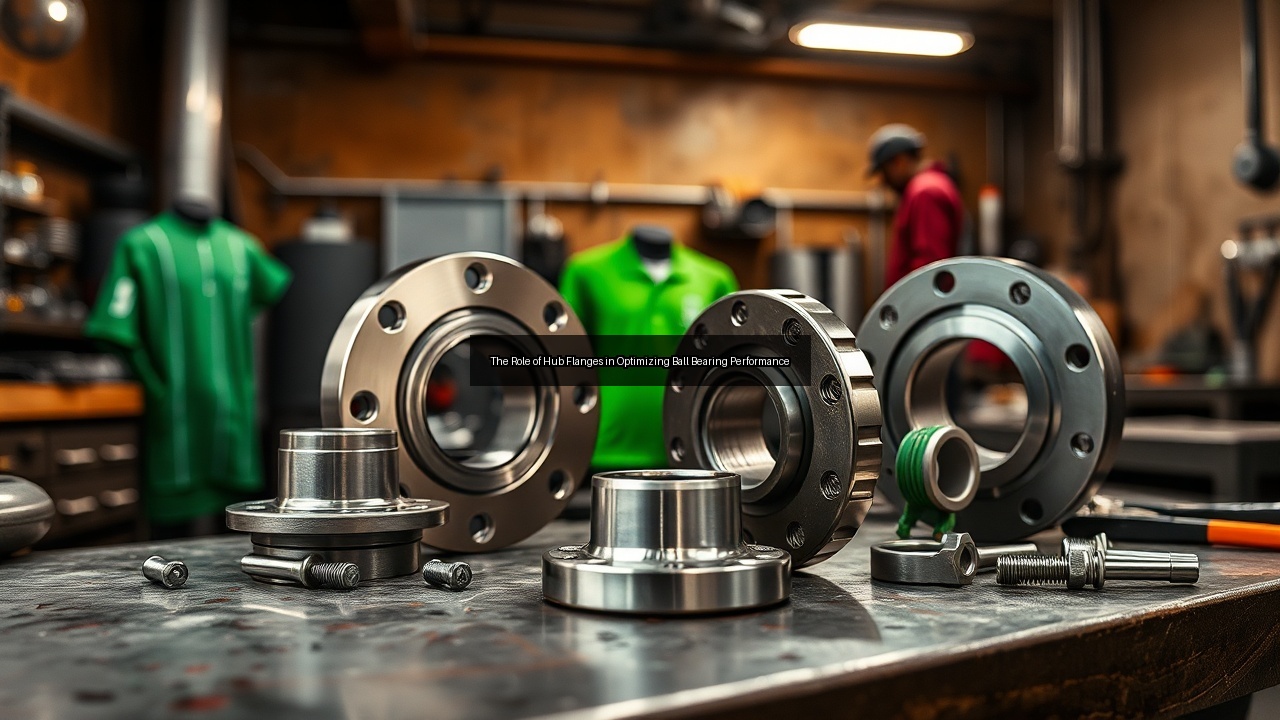
Hub flanges serve as critical components in various mechanical systems, primarily acting as attachment points for bearings. A hub flange connects the wheel to the axle, providing stability and support. These flanges ensure that ball bearings fit securely, allowing for smooth rotation and efficient load distribution. The design typically incorporates a flat surface with bolt holes, facilitating easy attachment to different machinery. Their robust construction ensures they can withstand significant forces, making them indispensable in applications ranging from automotive to aerospace. The precise alignment provided by hub flanges enhances the overall performance of ball bearings, leading to longer-lasting machinery.
Types of Hub Flanges
Different types of hub flanges cater to distinct needs across various industries. The most common include flanged hubs, which feature an integrated flange that allows for easy mounting. Another type is the split hub flange, offering easy disassembly for maintenance or replacement. Additionally, there are precision machined flanges that boast tighter tolerances and improved alignment capabilities. Each type has specific advantages; for instance, flanged hubs are often used in high-performance applications like cycling, while split flanges are ideal for applications that require frequent maintenance. Understanding these types helps engineers select the right hub flange for their specific applications, optimizing ball bearing performance.
Applications of Hub Flanges in Various Industries
Hub flanges find applications across numerous sectors, including automotive, aerospace, and manufacturing. In the automotive industry, hub flanges are integral to wheel assembly, supporting ball bearings that facilitate smooth wheel rotation. In aerospace, they play a pivotal role in landing gear systems, where precision and reliability are paramount. Manufacturing equipment also relies on hub flanges to secure components, ensuring efficient operation. Specific examples include the use of flanged hubs in competitive cycling, such as the Tour de France Femmes, where lightweight and durable materials contribute to performance. This versatility highlights the importance of selecting the right hub flange for each industry, ensuring optimal ball bearing functionality and longevity.
The Mechanics of Ball Bearings
The Role of Ball Bearings in Machinery
Ball bearings serve as essential components in machinery, reducing friction between moving parts and enabling smooth operation. They consist of inner and outer races, with balls positioned in between to facilitate rotation. This design minimizes wear and tear, increasing the lifespan of machinery. Ball bearings can handle radial and axial loads, making them versatile for applications ranging from automotive engines to industrial equipment. Their performance directly impacts overall efficiency; less friction translates to lower energy consumption and improved speed. Consequently, effective integration of ball bearings with other components, such as hub flanges, becomes critical for achieving maximum operational efficiency and reliability in various mechanical systems.
How Hub Flanges Enhance Ball Bearing Performance
Hub flanges significantly enhance the performance of ball bearings through improved alignment and stability. By providing a secure mounting point, they reduce vibrations and misalignments that could lead to premature wear. This stability allows ball bearings to operate under optimal conditions, leading to smoother rotations and reduced friction. Furthermore, hub flanges help distribute loads evenly across the bearing surface, minimizing stress concentration and extending the lifespan of both the flange and the bearing. In high-performance settings like competitive cycling or automotive racing, where every millisecond counts, the role of hub flanges becomes even more critical, as they ensure that ball bearings can perform at their peak, allowing athletes like Tom Pidcock to excel in events like the Tour de France Femmes.
Common Materials Used in Bearings and Flanges
Materials play a crucial role in the performance of both bearings and hub flanges. Common materials include stainless steel, carbon steel, and various polymers. Stainless steel is often preferred for its corrosion resistance and strength, making it suitable for demanding environments. Carbon steel, while less resistant to corrosion, offers excellent strength and is commonly used in applications where cost is a concern. Polymers, such as nylon, provide lightweight solutions with good wear resistance, often used in less demanding applications. The choice of material affects not only the durability of the ball bearing but also the effectiveness of the hub flange in supporting and enhancing performance. Engineers must consider these factors when designing systems that rely on precise and efficient operation.
Integrating Hub Flanges with Other Components
The Relationship Between Hub Flanges and Set Screws
Set screws play a pivotal role in securing hub flanges to shafts and preventing slippage. When properly installed, set screws lock the flange in place, ensuring that it remains aligned with the ball bearing. This alignment is crucial for maintaining optimal performance, as even slight misalignments can lead to increased friction and wear. The relationship between hub flanges and set screws enhances the structural integrity of the assembly, allowing for smooth operation under varying loads. In applications where vibrations are common, such as motors or machinery that experiences dynamic loads, the use of set screws becomes essential for maintaining the reliability and longevity of both the flange and the bearings.
Flange Ball Bearing: A Specialized Component
A flange ball bearing combines the features of traditional ball bearings with an integrated hub flange, creating a compact and efficient solution. This design simplifies installation by eliminating the need for additional mounting hardware, making it ideal for space-constrained applications. Flange ball bearings offer the same low-friction benefits as standard ball bearings while providing the added advantage of easy mounting. Industries that require precise alignment and stability, such as robotics or automotive assembly, frequently utilize flange ball bearings. The seamless integration of the flange into the bearing design enhances overall performance, providing a reliable solution for various mechanical systems.
Impact of Bushings on Flange and Bearing Performance
Bushings serve as intermediary components that can significantly influence the performance of both hub flanges and bearings. These cylindrical components reduce friction between the shaft and the flange, allowing for smoother rotation and less wear on both parts. Depending on the application, bushings can be made from a variety of materials, including bronze, plastic, or composite materials, each offering unique benefits. For instance, plastic bushings are lightweight and resistant to corrosion, making them suitable for applications in harsh environments. The right bushing can complement the hub flange and ball bearing assembly, improving overall performance and extending the lifespan of the entire system.
Real-World Applications and Innovations
Case Study: Hub Flanges in Competitive Cycling (Tour de France Femmes)
Hub flanges play a vital role in competitive cycling, particularly in high-stakes events like the Tour de France Femmes. These flanges connect the wheel to the axle, supporting the ball bearings that allow for efficient wheel rotation. The lightweight design of modern flanged hubs contributes to overall bicycle performance, enabling cyclists to achieve higher speeds with less effort. Innovations in materials and design have led to the development of hub flanges that enhance aerodynamics and reduce drag. Athletes such as Tom Pidcock benefit from these advancements, as every detail counts in competitive racing. The integration of specialized hub flanges in cycling technology exemplifies how engineering can optimize performance in elite sports.
Innovations in Flanged Hubs and Their Impact on Performance
Recent innovations in flanged hubs have focused on weight reduction, increased strength, and improved aerodynamics. Manufacturers are experimenting with advanced materials such as carbon fiber and high-strength alloys, which offer superior performance characteristics. These innovations lead to lighter components without sacrificing durability, crucial for high-performance applications. Additionally, advancements in manufacturing techniques, such as 3D printing, allow for more complex designs that were previously impossible. These developments directly impact the overall efficiency of ball bearings and hub flanges, resulting in faster machinery and improved performance in competitive environments. The continual evolution of flanged hubs ensures that industries remain on the cutting edge of technology.
The Future of Hub Flanges in High-Performance Settings (e.g., Bordeaux, Aurillac)
The future of hub flanges looks promising, especially in high-performance settings like Bordeaux and Aurillac, where precision engineering is paramount. As industries demand more efficient and lightweight solutions, manufacturers will likely continue to innovate in materials and designs. The integration of smart technologies, such as sensors embedded in hub flanges, could enhance monitoring and maintenance, allowing for predictive analytics in machinery. This trend promises to improve performance and reduce downtime, crucial for competitive environments. As industries evolve, the role of hub flanges will remain vital, ensuring that ball bearings and other components perform at their best, whether in cycling competitions or advanced manufacturing applications.