The Benefits of Partnering with a Specialized Contract Assembly Company
Understanding Contract Assembly Services
What Are Contract Assembly Services?
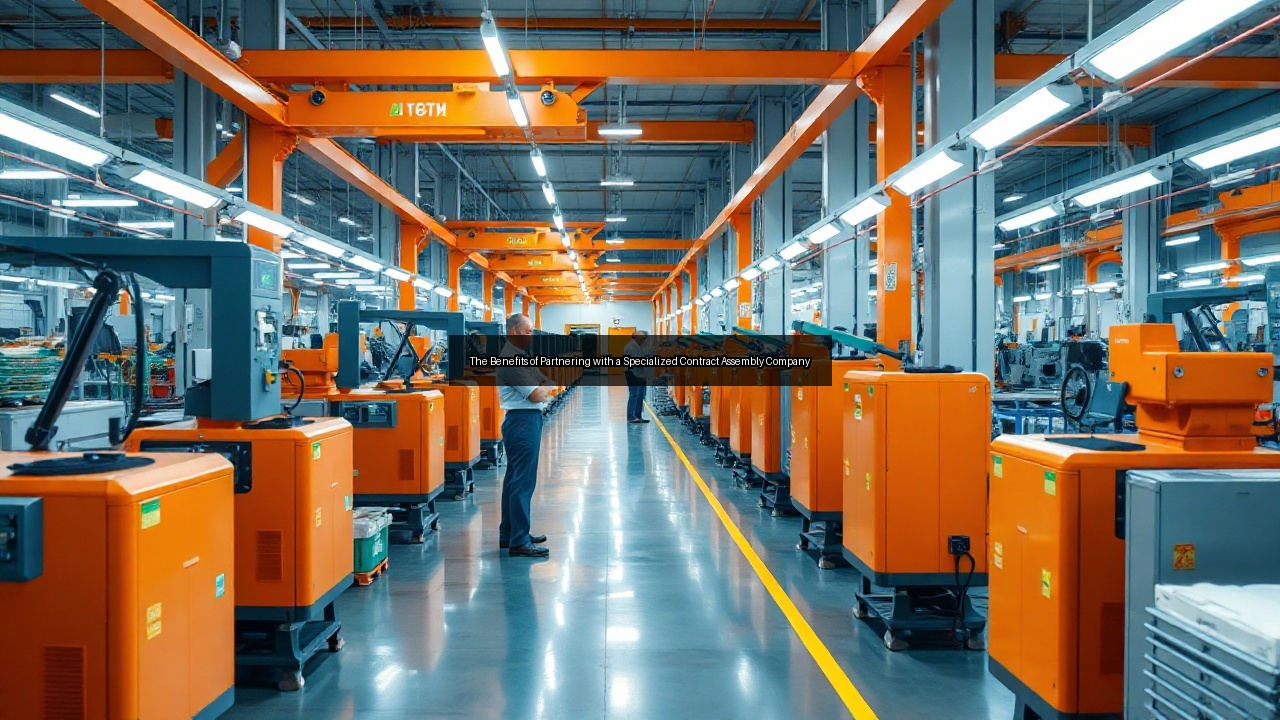
Contract assembly services involve outsourcing the assembly of components or products to a specialized company known as a contract manufacturer. These services allow businesses to focus on core competencies while experts handle assembly processes. Contract assembly providers are equipped with the necessary tools, techniques, and services from contract assembly manufacturer workforce to efficiently assemble products, from simple components to complex systems. Companies leverage these services to gain access to advanced assembly technologies, streamline production, and enhance overall efficiency. By partnering with a contract assembly company, businesses can achieve faster turnaround times and better resource allocation.
Key Players in Contract Assembly: Manufacturers and Providers
The contract assembly ecosystem comprises various players, primarily contract manufacturers and suppliers. Contract manufacturers are firms that specialize in producing a specific range of products or components for other businesses. These manufacturers often have extensive experience in the field, making them experts in assembly techniques and technologies. Providers of contract assembly services may also include engineering firms that offer prototyping and design assistance, ensuring that products meet specified requirements. A successful partnership hinges on clear communication and alignment of goals between businesses and their contract assembly providers, fostering an environment conducive to innovation and efficiency.
The Role of Expertise in Contract Assembly
Expertise plays a crucial role in the effectiveness of contract assembly services. Companies that offer these services often employ skilled professionals who possess a deep understanding of manufacturing processes, quality assurance, and logistics. Their knowledge extends to various assembly techniques, including powder coating and fabrication, which are vital for producing high-quality products. By leveraging the expertise of contract assembly companies, businesses can enhance their product designs and ensure that they meet industry standards. Moreover, these experts can provide insights into lean manufacturing practices, helping businesses reduce waste and improve operational efficiency.
Advantages of Partnering with Specialized Contract Assembly Companies
Cost Efficiency: Reducing In-House Manufacturing Costs
One of the primary benefits of partnering with a specialized contract assembly company is cost efficiency. In-house manufacturing often incurs significant expenses, including labor, materials, and equipment maintenance. Outsourcing assembly processes to a contract manufacturer can drastically reduce these costs. Contract assembly providers typically operate on economies of scale, allowing them to offer competitive pricing that in-house operations cannot match. Additionally, companies can allocate saved resources towards other areas of their business, such as research and development or marketing. This strategic use of funds can lead to overall business growth and increased profitability.
Quality Assurance: ISO 9001 and Quality Control Standards
Quality assurance is paramount in manufacturing, and specialized contract assembly companies often adhere to stringent quality control standards, such as ISO 9001 certification. This certification demonstrates a commitment to maintaining high-quality processes and products, ensuring that every assembly meets industry benchmarks. Contract manufacturers implement rigorous testing and inspection protocols to catch any defects early in the assembly process, reducing the likelihood of costly recalls or rework. By partnering with a company that prioritizes quality, businesses can enhance their reputation and customer satisfaction, ultimately leading to increased sales and loyalty.
Scalability: Meeting Demand Changes Seamlessly
Scalability represents another significant advantage of working with specialized contract assembly companies. Businesses frequently encounter fluctuations in demand, which can strain in-house production capabilities. Contract assembly providers offer the flexibility to scale operations up or down based on current market needs. This adaptability allows companies to respond quickly to changing customer requirements without the burden of maintaining a large workforce or extensive inventory. By outsourcing assembly, businesses can optimize their operations, ensuring they meet demand without compromising quality or efficiency.
Enhancing Manufacturing Processes Through Outsourcing
Lean Manufacturing Principles in Contract Assembly
Implementing lean manufacturing principles is essential for improving efficiency and reducing waste in production. Specialized contract assembly companies often incorporate these principles into their operations, streamlining processes to eliminate non-value-added activities. By focusing on continuous improvement, these firms enhance productivity, reduce lead times, and improve overall quality. Businesses that partner with contract manufacturers that embrace lean practices can benefit from reduced costs and increased output, thereby gaining a competitive edge in the marketplace. This alignment with lean principles also fosters a culture of innovation and adaptability, essential for long-term success.
The Importance of Engineering and Prototyping in Product Development
Engineering and prototyping are vital components of product development, and specialized contract assembly companies often provide these services. By collaborating with experts in engineering, businesses can refine product designs and ensure they are optimized for assembly. Prototyping allows companies to test concepts before full-scale production, minimizing risks associated with design flaws or manufacturing inefficiencies. This iterative process leads to higher-quality products that meet customer expectations. Contract manufacturers’ expertise in engineering and prototyping can significantly enhance a company’s product development cycle, ensuring timely market entry and improved product performance.
Logistics and Packaging Solutions Offered by Contract Manufacturers
Logistics and packaging represent critical aspects of the assembly process that specialized contract manufacturers excel at managing. These companies often have established supply chains and distribution networks that facilitate efficient logistics solutions, ensuring timely delivery of components and finished products. Additionally, contract assembly providers offer packaging services that protect products during transit and enhance their presentation on retail shelves. A well-executed logistics and packaging strategy can reduce shipping costs, minimize damage, and improve customer satisfaction. By outsourcing these functions, businesses can focus on their core operations while ensuring a seamless supply chain.
Choosing the Right Contract Assembly Partner
Evaluating Contract Assembly Companies: What to Look For
Selecting the right contract assembly partner is crucial for maximizing the benefits of outsourcing. Companies should evaluate potential partners based on several key factors, including expertise, industry experience, and quality standards. Look for a contract manufacturer with a proven track record in your specific industry. Additionally, assess their adherence to quality certifications like ISO 9001, which reflects their commitment to maintaining high standards. Communication and transparency are also vital; a good partner should provide regular updates and be open to feedback. By conducting thorough due diligence, businesses can ensure they choose a contract assembly company that aligns with their objectives.
The Onboarding Process with a Contract Assembly Provider
The onboarding process with a contract assembly provider sets the foundation for a successful partnership. This phase typically involves initial discussions to clarify project requirements, timelines, and expectations. Effective onboarding requires a collaborative approach, where both parties share insights about their processes and capabilities. Establishing clear communication channels and roles is essential to avoid misunderstandings. During this phase, businesses should also provide relevant documentation, including product designs and specifications, to facilitate a smooth transition. A well-structured onboarding process ensures that the partnership starts on the right foot, paving the way for efficient collaboration.
Building Long-term Relationships with Contract Manufacturers
Developing long-term relationships with contract manufacturers can yield significant benefits for businesses. A strong partnership fosters trust and collaboration, leading to better communication and more effective problem-solving. Regular check-ins, performance evaluations, and feedback sessions can help maintain alignment between both parties. As businesses grow and evolve, a solid relationship with a contract assembly provider allows for more seamless adaptations to changing needs. Investing time and resources into these relationships can lead to innovative solutions, improved efficiencies, and ultimately, greater success in the competitive manufacturing landscape.
See Also
- Unlocking Efficiency with Contract Assembly Services to Boost Your Manufacturing Process
- Prototyping to Production How Contract Assembly Services Bridge the Gap
- Boosting Your Production with Customizable Contract Assembly Options
- Why Lean Manufacturing Principles Shine in Contract Assembly Practices
- Outsourcing Your Assembly Needs for Scalability and Cost Savings